

Introduction
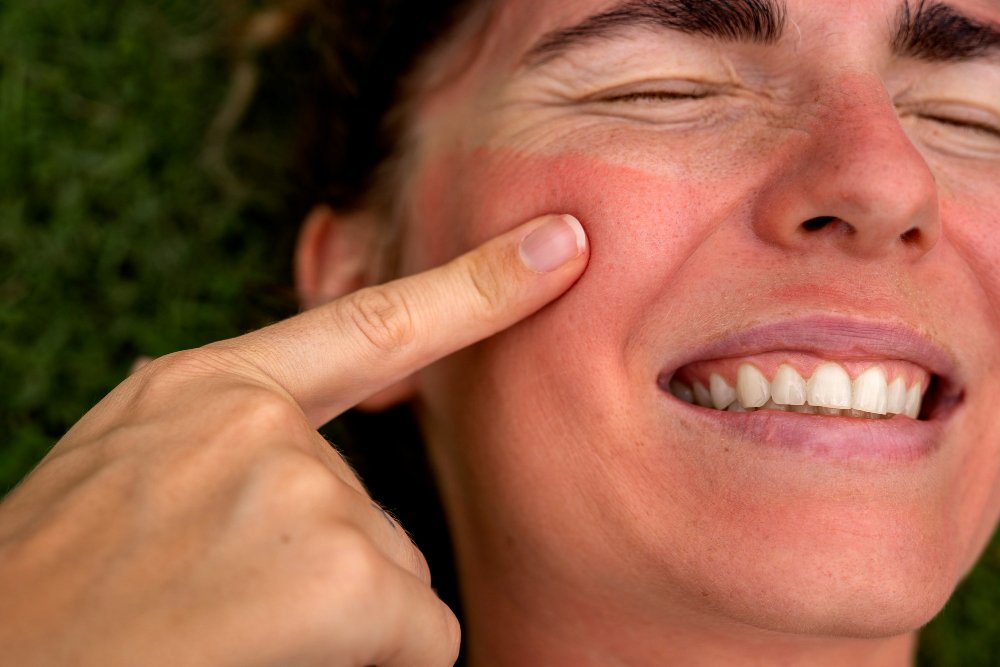
Have you ever noticed a rash after spending time in the spring sun? You might have heard of PMLE. PMLE stands for polymorphous light eruption. It is sometimes called a “sun allergy in spring.” Many people develop itchy, red bumps or patches on their skin after being outside in April. For some, this reaction can be quite uncomfortable. In this blog, we will explain what PMLE is, why it happens, and how you can prevent it.
What is PMLE?
PMLE is a skin condition. It happens when your skin reacts to sunlight, especially after winter. Although it is not a true allergy, it is often called a “sun allergy.” PMLE causes a rash that appears hours or days after sun exposure. Usually, it affects areas not used to sunlight, like your arms, chest, or legs. While PMLE is not dangerous, it can be bothersome. Most people notice symptoms in spring or early summer, when the sun gets stronger.
Symptoms of PMLE
PMLE symptoms can vary from person to person. However, most people notice:Itchy red bumps or patches on the skinBlisters or raised spots in some casesBurning or stinging feelingRash on areas exposed to the sun, like arms, neck, or chestSymptoms starting a few hours to two days after sun exposure
Usually, the rash fades in a few days if you avoid more sun. But, repeated sun exposure can make it worse.
Causes and Risk Factors
Doctors are not sure why PMLE happens. However, it seems to be an immune reaction to sunlight. When your skin sees sunlight after months of little exposure, your body may react. Some people are more likely to get PMLE. For example, women and people with fair skin have a higher risk. Family history can also play a role. In addition, living in areas with long winters increases your chances. According to the CDC, PMLE is more common in northern countries.
Why Does PMLE Flare Up in April?
Many people ask why PMLE appears in April. After winter, your skin is less used to sunlight. Suddenly, the spring sun becomes stronger. As a result, your skin reacts more. April is often the first month when people spend more time outdoors. Because of this, PMLE is sometimes called the “April sun rash.” The combination of sensitive skin and stronger sunlight leads to flares.
Diagnosis of PMLE
Doctors usually diagnose PMLE by looking at your skin and asking about your symptoms. Sometimes, they may do tests to rule out other problems. For example, they might check for lupus or other skin conditions. Rarely, a skin biopsy is needed. If you get a rash every spring, mention it to your doctor. Early diagnosis can help you manage symptoms better.
Treatment Options
Most cases of PMLE get better on their own. However, treatment can help reduce discomfort. Common options include:Using cool compresses to soothe the skinApplying over-the-counter creams, like hydrocortisoneTaking antihistamines for itchingIn severe cases, prescription creams or pills from your doctor
For frequent or severe PMLE, a dermatologist may suggest light therapy. This helps your skin get used to sunlight slowly.
Prevention and Sun Protection Tips
Preventing PMLE is possible with a few simple steps. Here are some tips:Wear long sleeves and hats when outsideUse broad-spectrum sunscreen with SPF 30 or higherApply sunscreen 15 minutes before going outReapply sunscreen every two hours, especially after sweating or swimmingStay in the shade during peak sun hours (10 a.m. to 4 p.m.)Gradually increase your sun exposure in early spring
By following these steps, you can lower your risk of “April sun rash” and prevent PMLE flares.
Living with PMLE: Lifestyle Guidance
Living with PMLE can be challenging, but you can still enjoy the outdoors. First, plan your activities for early morning or late afternoon. Next, always keep protective clothing and sunscreen handy. If you notice symptoms, take a break from the sun. In addition, moisturizing your skin can help reduce dryness and itching. Over time, your skin may get used to sunlight, and symptoms may improve.
When to See a Doctor
Sometimes, PMLE symptoms can be confused with other skin problems. See a doctor if:Your rash is severe or painfulYou have blisters or open soresThe rash does not improve with home careYou feel unwell or have a fever
Early medical advice can help you find the right treatment and rule out other causes.
In summary, PMLE or polymorphous light eruption is a common sun allergy in spring. With the right steps, you can prevent and manage symptoms. Consult Dr. Fathima Mohammed for personalized advice on PMLE.