

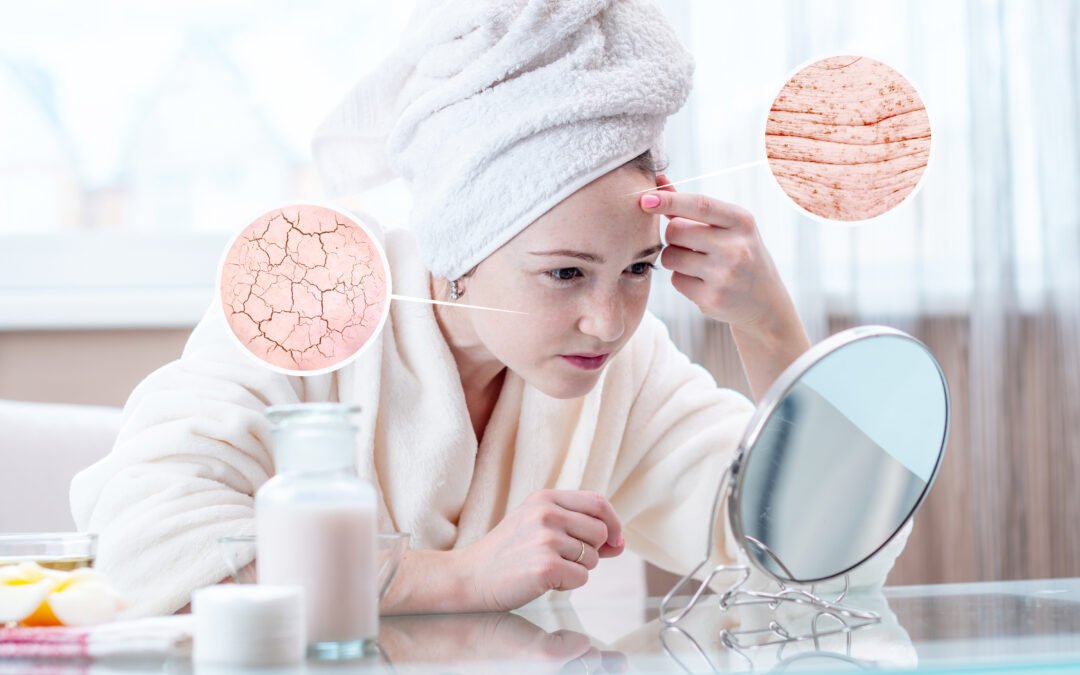
What Is the Skin Barrier?
The skin barrier is your body’s first line of defense. It is the outermost layer of your skin. This layer keeps moisture in and harmful things out. For example, it protects you from germs, pollution, and harsh weather. When the skin barrier is healthy, your skin feels soft and smooth. However, if it is damaged, your skin may become dry or irritated.
Why Is Skin Barrier Repair Important?
Skin barrier repair is key for healthy skin. Without a strong barrier, your skin cannot hold moisture well. As a result, it may become dry, itchy, or inflamed. In addition, a weak barrier lets in irritants and germs. Over time, this can lead to chronic skin conditions. Therefore, repairing the skin barrier helps prevent flare-ups and keeps your skin comfortable.
Common Chronic Skin Conditions Linked to Barrier Damage
Many chronic skin conditions are linked to a damaged skin barrier. For instance, people with the following problems often have a weak barrier:Eczema (also called atopic dermatitis)PsoriasisRosaceaChronic dry skinContact dermatitis
Because these conditions often come back, skin barrier repair is a vital step in their care.
Signs and Symptoms of a Damaged Skin Barrier
It is important to know the signs of a damaged skin barrier. Early action can help restore skin barrier health. Look for these common symptoms:Dry or flaky skinRedness or swellingItching or burningIncreased sensitivityRough or tight feelingFrequent breakouts
If you notice these signs, your skin may need extra care and repair.
Causes of Skin Barrier Dysfunction
Several things can weaken your skin barrier. For example, harsh soaps or hot showers can strip away natural oils. In addition, over-exfoliating or using strong skincare products may cause damage. Other common causes include:Cold or dry weatherPollutionStressNot drinking enough waterCertain medical conditions
Because many factors can harm your skin, it is important to protect and repair your barrier daily.
How to Repair and Strengthen the Skin Barrier
There are simple steps you can take for skin barrier repair. These tips can help restore skin barrier function and improve chronic skin conditions:Use gentle, fragrance-free cleansersMoisturize often with creams that contain ceramides or hyaluronic acidAvoid hot water and long showersLimit exfoliation to once a weekProtect your skin from the sun with sunscreenDrink plenty of waterChoose skincare products with simple, soothing ingredients
For those in dry or cold climates, extra moisture may be needed. In addition, using a humidifier can help keep your skin hydrated indoors.
Prevention Tips for Healthy Skin
Keeping your skin barrier strong is easier than fixing damage. Try these skin health tips every day:Wash your face with lukewarm waterPat skin dry instead of rubbingApply moisturizer right after bathingWear protective clothing in harsh weatherEat a balanced diet rich in vitaminsManage stress through relaxation or exercise
Because prevention is key, these habits can help you avoid future skin problems.
When to See a Dermatologist
Sometimes, home care is not enough. If your skin does not improve or gets worse, it is time to see a dermatologist. For example, if you have severe redness, pain, or open sores, seek help. In addition, if chronic skin conditions keep coming back, a doctor can offer stronger treatments. Early care can prevent lasting damage and help restore skin barrier health.
For the best advice on skin barrier repair, consult with Dr. Fathima Mohammed. They can create a plan that fits your skin’s needs.