

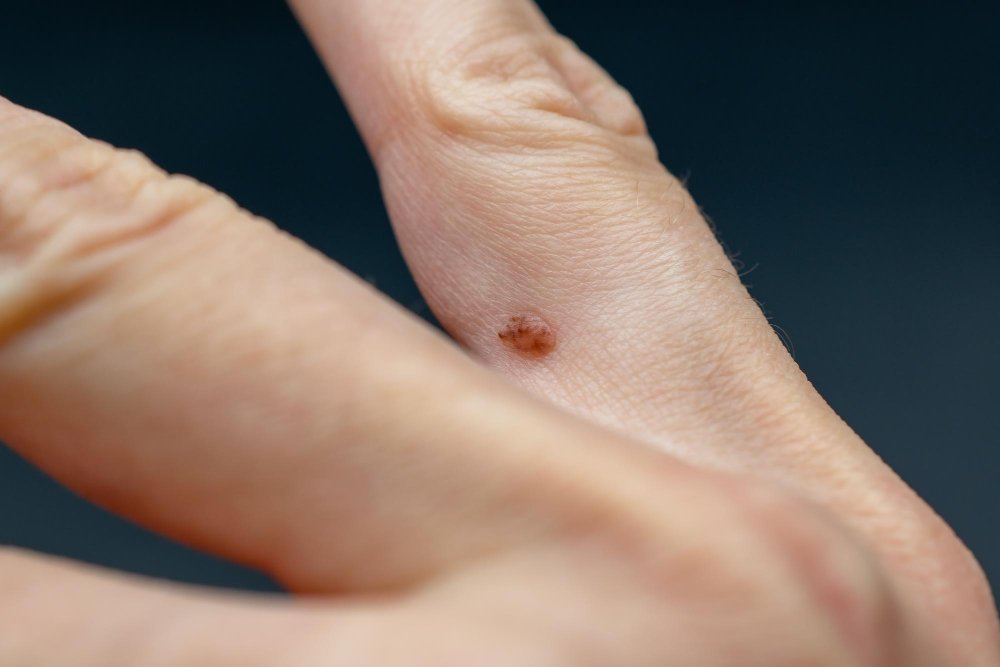
What is Keratosis Pilaris?
Keratosis Pilaris is a common skin condition. It causes small, rough bumps on the skin. Many people call it “chicken skin” because of its look. These tiny bumps on skin often appear on the arms, thighs, cheeks, or buttocks. While it is harmless, it can be bothersome. According to the American Academy of Dermatology, Keratosis Pilaris affects up to 40% of adults and many children.
Common Symptoms and Appearance
Usually, Keratosis Pilaris shows up as:Small, hard bumps that feel roughBumps that are skin-colored, red, or whiteDry or sometimes itchy skinBumps that may look like goosebumps or chicken skin
Often, these bumps do not hurt. However, they can make skin feel dry or uneven. In some cases, the area may become red or irritated, especially in winter.
Causes and Risk Factors
Keratosis Pilaris happens when keratin, a protein in the skin, builds up. This extra keratin blocks hair follicles, leading to tiny bumps. While the exact cause is not clear, several factors may increase risk. For example, it often runs in families. People with dry skin, eczema, or asthma are more likely to get it. Children and teens are affected more often, but adults can have it too. Cold, dry weather can also make symptoms worse.
Diagnosis Methods
Doctors usually diagnose Keratosis Pilaris by looking at the skin. No special tests are needed. During a visit, your doctor will check the bumps and ask about your symptoms. Sometimes, they may ask about family history or other skin problems. If the bumps look unusual, your doctor may rule out other skin conditions.
Treatment Options (Medical and Home Care)
Although Keratosis Pilaris is harmless, many people want to treat it for smoother skin. Treatment can help reduce bumps and dryness. However, it may not cure the condition completely. Common options include:Moisturizers: Use creams with urea, lactic acid, or alpha hydroxy acids. These help soften and smooth the skin.Gentle Exfoliation: Use a soft washcloth or mild scrub to remove dead skin. Do not scrub too hard, as this can irritate the skin.Prescription Creams: In some cases, doctors may suggest creams with retinoids or stronger acids.Home Care: Take short, warm showers and avoid harsh soaps. Pat skin dry and apply moisturizer right away.
With regular care, many people see improvement in a few weeks.
Lifestyle and Skincare Tips
Simple changes can help manage Keratosis Pilaris. For example:Keep skin well-moisturized every dayUse gentle, fragrance-free cleansersWear loose, soft clothing to avoid irritationUse a humidifier in dry weatherLimit hot showers, as they can dry out skin
Because skin can be sensitive, always test new products on a small area first.
Prevention Strategies
While you cannot always prevent Keratosis Pilaris, some steps may help reduce flare-ups. For instance, keep your skin hydrated. Avoid harsh soaps and long, hot showers. Use gentle exfoliation only as needed. In addition, protect your skin from cold, dry air by wearing layers and using a humidifier at home.
When to See a Dermatologist
Most cases of Keratosis Pilaris do not need medical treatment. However, you should see a dermatologist if:Bumps become painful, swollen, or infectedHome care does not help after several weeksYou are unsure if the bumps are Keratosis PilarisSkin changes cause stress or affect your self-esteem
Dermatologists can suggest stronger treatments or check for other skin problems.
Conclusion
In summary, Keratosis Pilaris is a common and harmless skin condition. While it can be frustrating, many people manage it with simple skincare and lifestyle changes. If you have concerns or need help, consult Dr. Fathima Mohammed for personalized advice on managing Keratosis Pilaris.