Introduction: Understanding Acne and Its Impact
Acne is a common skin problem that affects people of all ages. Many seek effective acne treatment to get clear skin. While acne is not dangerous, it can cause stress and lower confidence. For some, it may even leave scars. However, with the right care, most people can manage acne well. In this blog, you will learn about acne symptoms, causes, diagnosis, and the best acne solutions.
Symptoms of Acne
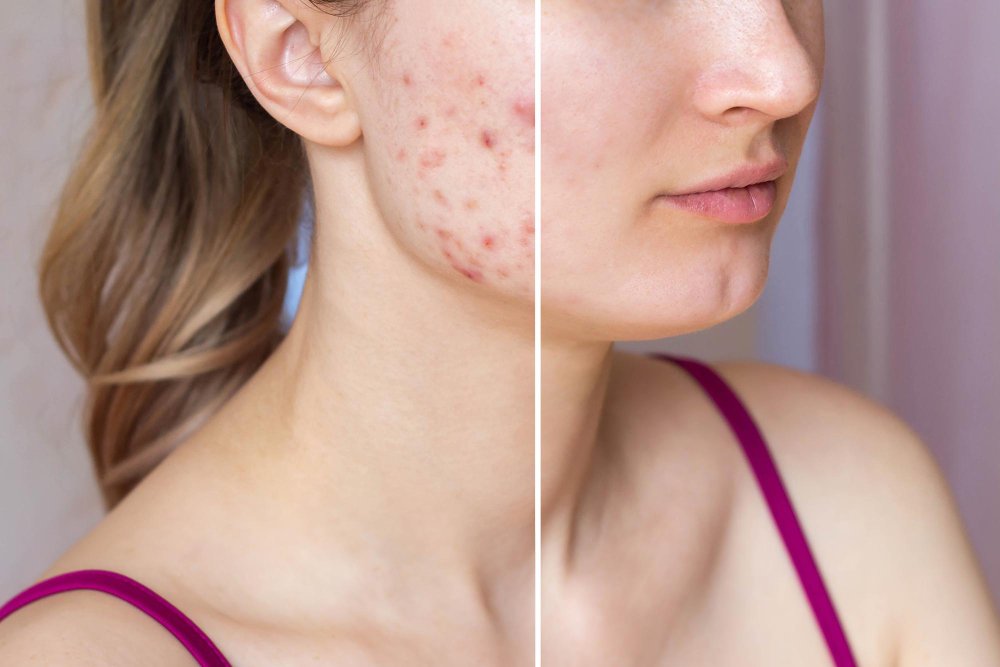
Acne can show up in different ways. Usually, it appears on the face, chest, back, or shoulders. But, it can also affect other areas. Here are common signs of acne:Whiteheads (small bumps with white centers)Blackheads (dark spots on the skin)Pimples (red, tender bumps)Papules (small red bumps)Pustules (pimples with pus at the tip)Nodules (large, painful lumps under the skin)Cysts (deep, painful lumps filled with pus)
Sometimes, acne can cause pain or itching. Also, severe acne may lead to scars if not treated early.
Common Causes of Acne
Acne happens when hair follicles get clogged with oil and dead skin cells. But, several factors can make acne worse. For example, hormones often play a big role, especially during puberty. Here are some common causes:Hormonal changes (such as puberty, periods, or pregnancy)Excess oil (sebum) productionBacteria on the skinClogged pores from dead skin cellsCertain foods (like sugary or greasy foods)Stress, which can trigger breakoutsSome medications (like steroids or birth control pills)Using oily or greasy skin products
While genetics can also play a role, not everyone with these risk factors will get acne. Still, knowing the causes helps in finding the best acne solutions.
Diagnosis Methods
Doctors usually diagnose acne by looking at your skin. Most of the time, no special tests are needed. However, in some cases, a doctor may ask about your health history or check for other skin problems. For severe or unusual acne, they might suggest blood tests or hormone checks. Early diagnosis helps in choosing the right acne treatment.
Evidence-Based Acne Treatment Options
There are many ways to treat acne. The best acne solutions depend on how severe your acne is. Here are some proven options:
Topical Treatments
Benzoyl peroxide: Kills bacteria and dries up pimplesSalicylic acid: Helps unclog poresRetinoids: Reduce swelling and prevent clogged poresAntibiotic creams: Lower bacteria and redness
Oral Medications
Antibiotics: Reduce bacteria and swellingBirth control pills: Help balance hormones in some womenIsotretinoin: Used for severe acne when other treatments fail
Lifestyle Changes
Wash your face gently twice a dayAvoid picking or squeezing pimplesUse non-comedogenic (non-pore-clogging) productsEat a balanced diet with less sugar and oilManage stress through exercise or relaxation
Sometimes, doctors may suggest light or laser therapy. But, these are usually for stubborn cases. Always follow your doctor’s advice for safe and effective acne treatment.
Prevention Tips and Daily Skincare Guidance
While you may not prevent all acne, good habits can help. For example, gentle care keeps your skin healthy. Try these clear skin tips:Wash your face with mild soap and waterDo not scrub your skin harshlyKeep hair clean and away from your faceChange pillowcases oftenAvoid touching your face with dirty handsUse sunscreen that does not clog poresRemove makeup before sleeping
Additionally, drink plenty of water and eat fruits and vegetables. These steps support healthy skin and may reduce breakouts.
When to See a Dermatologist
Sometimes, home care is not enough. If your acne is severe, painful, or leaves scars, see a dermatologist. Also, if over-the-counter products do not help after a few weeks, it is time to get expert advice. Dermatologists can offer stronger treatments and help you find the best acne solutions for your skin type.
For personalized acne treatment, consult Fathima Mohammed.