

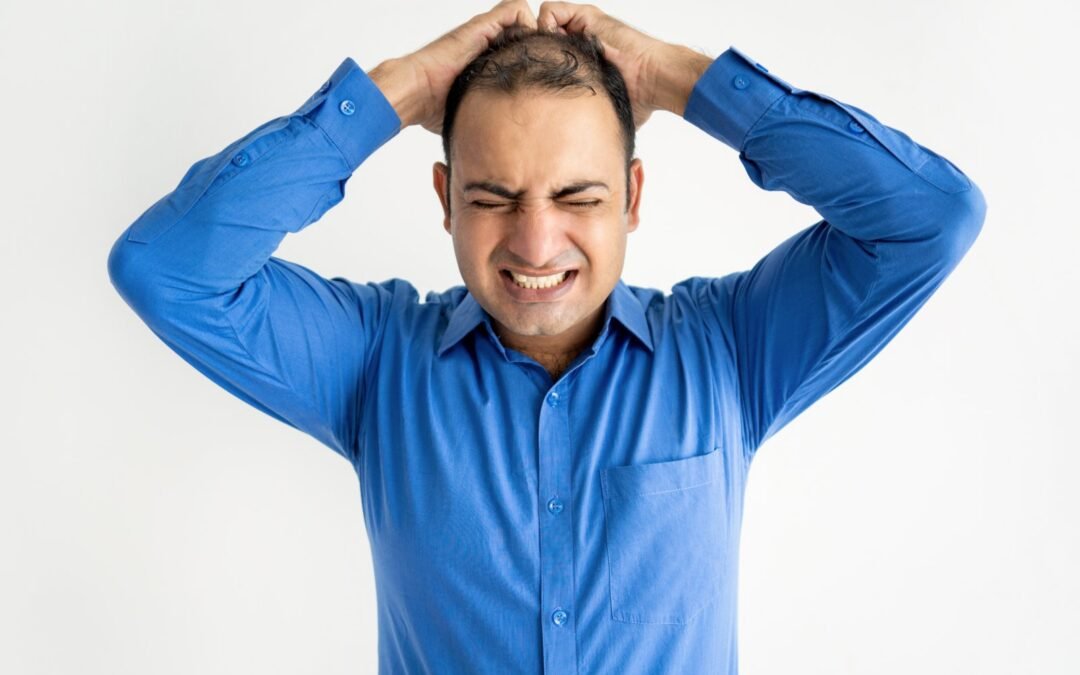
What is Alopecia?
Alopecia is a medical term for hair loss. It can affect the scalp or other parts of the body. While some hair loss is normal, alopecia means more hair falls out than usual. For many people, this can cause stress. However, understanding alopecia can help you manage it better.
There are different types of alopecia. For example, alopecia areata causes patchy hair loss. Androgenetic alopecia is also common and is known as male or female pattern baldness. Each type may have different causes and treatments.
Common Symptoms of Alopecia
Although symptoms can vary, most people notice hair thinning or bald spots. Sometimes, hair falls out suddenly. In other cases, it happens slowly over time. But, not everyone will have the same signs.Round or oval bald patches on the scalpGradual thinning on top of the headSudden loosening of hairComplete loss of hair on the scalp or bodyItching or burning before hair falls out
Additionally, some people may notice changes in their nails, such as tiny dents or roughness.
Causes and Risk Factors
Many factors can lead to alopecia. Often, the immune system attacks hair follicles by mistake. This is called autoimmune alopecia. However, other causes also exist.Family history of hair lossHormonal changes, such as pregnancy or menopauseStress or traumaCertain medications, like those for cancer or arthritisPoor nutrition or sudden weight lossMedical conditions, such as thyroid disease
For some, a mix of these factors may increase the risk. But, not everyone with these risks will develop alopecia.
Diagnosis: How Alopecia is Identified
Doctors use several steps to diagnose alopecia. First, they ask about your health and family history. Next, they examine your scalp and hair. Sometimes, they may gently pull on your hair to see how much comes out.
In addition, your doctor may order blood tests. These can check for thyroid problems or other health issues. Sometimes, a small sample of scalp skin is taken for testing. This helps rule out other causes of hair loss.
Treatment Options for Alopecia
Treatment depends on the type and cause of alopecia. While some people see hair regrow without treatment, others may need help. Early treatment often gives better results.Medications like minoxidil or corticosteroidsLight therapy (also called phototherapy)Hair transplant surgery for certain typesWigs or hairpieces for cosmetic supportCounseling or support groups for emotional help
However, not all treatments work for everyone. Therefore, it is important to talk to a doctor about the best option for you. If you are looking for alopecia treatment options in your area, many clinics offer specialized care.
Lifestyle Tips and Prevention
Although not all types of alopecia can be prevented, some steps may help reduce hair loss. For example, gentle hair care can protect your scalp. In addition, a healthy diet supports hair growth.Avoid tight hairstyles that pull on hairUse mild shampoos and conditionersLimit heat styling and harsh treatmentsEat a balanced diet rich in vitamins and mineralsManage stress with relaxation techniques
But, if you notice sudden or patchy hair loss, see a doctor soon. Early action can make a difference.
When to See a Specialist
Sometimes, hair loss is a sign of another health problem. Therefore, you should see a specialist if:You lose hair suddenly or in large amountsYou notice bald patches or thinningYour scalp is red, itchy, or painfulYou have other symptoms, like weight changes or fatigue
Early diagnosis and treatment can help manage alopecia and prevent further hair loss.
In summary, alopecia can be managed with the right care.Experiencing excessive hair fall or signs of alopecia? Consult Dr. Fathima Mohammed for personalised care and effective hair loss management.