

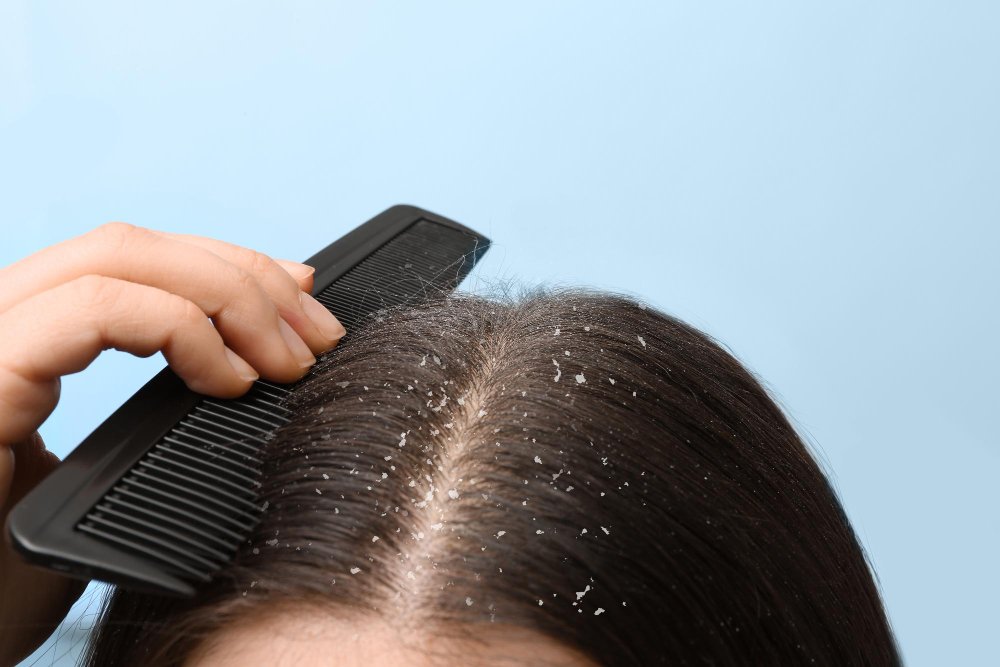
Many people wonder about the difference between dandruff and seborrheic dermatitis. Both are common scalp conditions, but they are not the same. Understanding how to tell dandruff from seborrheic dermatitis can help you choose the right treatment. In this guide, we will explain the key differences, symptoms, causes, and treatment options for each condition. This way, you can better care for your scalp and hair.
What is Dandruff?
Dandruff is a mild scalp condition. It causes small, white flakes to appear on your scalp and hair. Usually, these flakes are dry and fall off easily. Often, dandruff can make your scalp feel itchy. However, it does not cause redness or swelling. Dandruff is very common and affects people of all ages. It is not harmful, but it can be annoying. According to the American Academy of Dermatology, dandruff is not caused by poor hygiene.
What is Seborrheic Dermatitis?
Seborrheic dermatitis is a more serious scalp condition. It causes red, greasy patches with yellow or white scales. Sometimes, it can also affect other areas, like the face, eyebrows, or chest. Unlike dandruff, seborrheic dermatitis can cause swelling and soreness. This condition is long-lasting and may come and go. The World Health Organization notes that seborrheic dermatitis is common in adults and babies.
Key Differences: Symptoms and Appearance
Although both conditions cause flakes, there are clear differences. For example, dandruff flakes are usually dry, white, and small. In contrast, seborrheic dermatitis flakes are often larger, greasy, and yellowish. Additionally, seborrheic dermatitis causes redness and sometimes swelling, while dandruff does not.Dandruff: Dry, white flakes; mild itch; no rednessSeborrheic Dermatitis: Greasy, yellow or white scales; redness; swelling; possible soreness
Because symptoms can overlap, it is important to look at all signs before deciding which condition you have.
Causes and Risk Factors
Both dandruff and seborrheic dermatitis have different causes. However, some factors can make both worse. For dandruff, dry skin, certain hair products, and a yeast called Malassezia can play a role. On the other hand, seborrheic dermatitis is linked to oily skin, stress, and changes in weather. Sometimes, medical conditions like Parkinson’s disease or a weak immune system can increase the risk.Dry or oily skinStress or fatigueCold, dry weatherUse of harsh hair productsMedical conditions (for seborrheic dermatitis)
Because these factors can overlap, it is helpful to watch for changes in your scalp.
Diagnosis: How to Tell Them Apart
Sometimes, it is hard to know if you have dandruff or seborrheic dermatitis. Still, there are ways to tell them apart. If you see only dry, white flakes and mild itch, it is likely dandruff. But, if you notice redness, greasy scales, or swelling, seborrheic dermatitis may be the cause. In some cases, a doctor may need to check your scalp. They may look at your skin or ask about your symptoms. According to the CDC, a proper diagnosis helps you get the right treatment.
Treatment Options for Each Condition
Treating dandruff and seborrheic dermatitis can be simple. For dandruff, over-the-counter shampoos with zinc pyrithione, selenium sulfide, or ketoconazole often help. These shampoos reduce flakes and itch. For seborrheic dermatitis, medicated shampoos or creams may be needed. Sometimes, doctors suggest mild steroid creams to reduce redness and swelling. However, it is important to follow the instructions on any product you use.Use anti-dandruff shampoos as directedFor seborrheic dermatitis, try medicated shampoos or creamsSee a doctor if symptoms do not improve
Because both conditions can return, regular scalp care is important.
Prevention and Scalp Care Tips
Although you cannot always prevent these scalp conditions, good habits can help. For example, wash your hair regularly with a gentle shampoo. Avoid harsh hair products and limit the use of hair sprays or gels. Also, try to manage stress, as it can make symptoms worse. If you notice changes in your scalp, act early to prevent flare-ups.Wash hair often with mild shampooAvoid harsh chemicals and styling productsManage stress with relaxation techniquesProtect your scalp from extreme weatherSee a doctor for ongoing symptoms
Because early care can make a big difference, do not ignore scalp changes.
If you’re unsure about your scalp condition, consult a dermatologist Dr. Fathima Mohammed for personalized advice.