

What Are Warts?
Warts are small, rough growths that appear on the skin. They often feel firm and may look raised or bumpy. Because warts are caused by a virus, they can spread from person to person. Many people worry about warts, but most are harmless. Still, they can be bothersome or embarrassing. For this reason, many seek wart treatment from a dermatologist. According to the Centers for Disease Control and Prevention (CDC), warts are common in both children and adults.
Common Causes of Warts
Warts develop when a virus called human papillomavirus (HPV) enters the skin. Usually, this happens through tiny cuts or breaks. Since the virus is contagious, warts can spread by direct contact. For example, touching a wart or sharing towels may pass the virus. In addition, walking barefoot in public showers or pools can increase your risk. Some people are more likely to get warts, especially children and those with weak immune systems.Direct skin contact with a wartUsing shared personal items, like razors or towelsWalking barefoot in public placesHaving cuts or scrapes on the skin
Types of Warts
There are several types of warts, and each looks a bit different. Because each type may need a different treatment, it helps to know the differences. Here are the most common types:Common warts: These usually appear on the hands or fingers. They look rough and raised.Plantar warts: These grow on the soles of the feet. Often, they feel painful when you walk.Flat warts: These are small, smooth, and flat. They often show up on the face or legs.Filiform warts: These look long and thin. They often appear around the mouth, eyes, or nose.Periungual warts: These form around the nails and can affect nail growth.
Symptoms of Warts
Warts can look and feel different depending on their type and location. However, some symptoms are common. For example, most warts are painless, but plantar warts may hurt when you walk. In addition, warts can be rough, bumpy, or flat. Sometimes, they have tiny black dots, which are small blood vessels. While warts rarely cause serious problems, they can spread or become irritated if picked at or scratched.Small, grainy bumps on the skinFlesh-colored, white, pink, or brown appearanceBlack pinpoints (clotted blood vessels)Pain or tenderness, especially on the feet
How Dermatologists Diagnose Warts
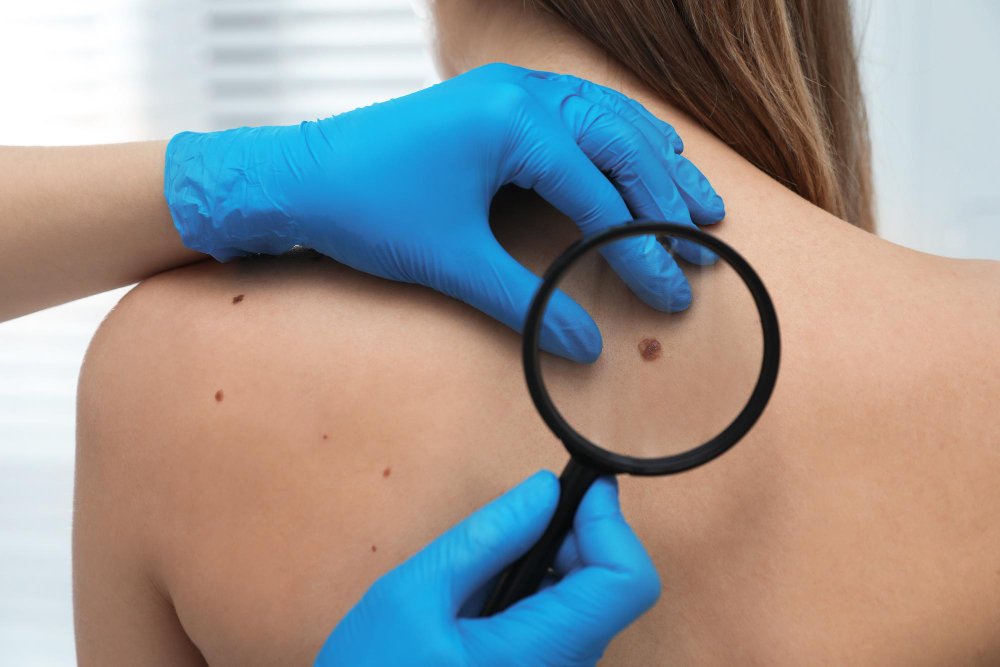
Dermatologists are skin doctors who can diagnose warts by looking at them. Usually, they check the size, shape, and location of the growth. Sometimes, a dermatologist may scrape the surface to look for tiny black dots. In rare cases, they may take a small skin sample for testing. Because other skin problems can look like warts, an expert’s opinion is helpful. If you are unsure, a dermatologist can confirm if you have a wart and suggest the best wart treatment near you.
Dermatological Treatments for Warts
Many warts go away on their own, but some need treatment. Dermatologists offer several safe and effective options for wart removal. Since some home remedies may not work or can cause harm, it is best to see a professional. Here are common treatments used by dermatologists:Cryotherapy: Freezing the wart with liquid nitrogen. This is a quick and common method.Salicylic acid: Applying a special medicine to soften and remove the wart over time.Laser therapy: Using light to destroy wart tissue, often for stubborn warts.Minor surgery: Cutting away the wart if other treatments do not work.Immunotherapy: Boosting the body’s immune response to fight the wart virus.
Because each person’s skin is different, a dermatologist will choose the best wart treatment for you. The American Academy of Dermatology recommends seeing a doctor if warts are painful, spreading, or not improving with home care.
Prevention and Skin Care Tips
Preventing warts is possible with good skin care habits. While you cannot always avoid the virus, you can lower your risk. For example, keep your skin clean and dry. In addition, avoid sharing personal items like towels or razors. If you have a wart, cover it with a bandage to prevent spreading. Here are more tips for healthy skin and wart prevention:Wash your hands often, especially after touching a wartDo not pick at or scratch wartsWear flip-flops in public showers or poolsKeep feet dry and change socks dailySee a dermatologist for proper wart removal
For more information, consult Dr. Fathima Mohammed on wart prevention and skin care for warts.