

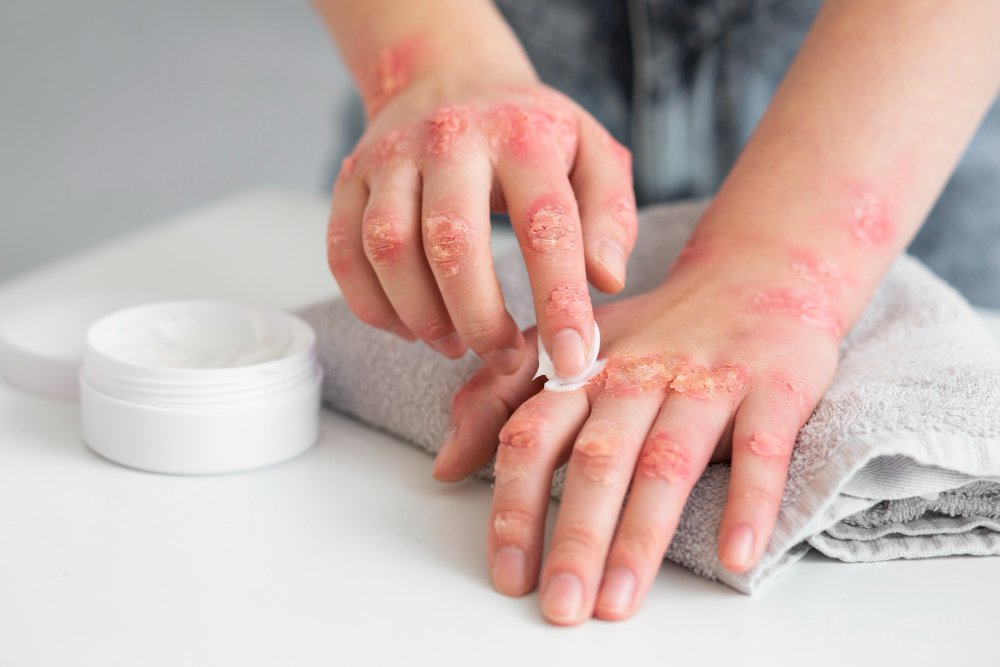
What Is Contact Dermatitis?
Contact dermatitis is a common skin problem. It happens when your skin touches something that causes irritation or an allergic reaction. As a result, your skin may turn red, itchy, or swollen. Many people get contact dermatitis at some point. In fact, the Centers for Disease Control and Prevention (CDC) notes that skin irritation is a leading reason for work-related health visits. Because contact dermatitis can look like other skin rashes, it is important to know what causes it and how to manage it.
Common Symptoms of Contact Dermatitis
Often, contact dermatitis shows up soon after your skin touches an irritant. However, sometimes symptoms take a day or two to appear. For example, you may notice:Red or pink patches on your skinItching or burning feelingsDry, cracked, or scaly skinBlisters that may ooze or crustSwelling in the affected area
Sometimes, the rash is mild. Other times, it can be very uncomfortable. If you keep scratching, your skin may get thicker or even break open.
Causes and Irritants: What Triggers Contact Dermatitis?
There are two main types of contact dermatitis. First, irritant contact dermatitis happens when something damages your skin’s outer layer. Second, allergic contact dermatitis occurs when your immune system reacts to a substance. Both types can cause a skin rash or irritation. Common causes of contact dermatitis include:Soaps, detergents, or cleaning productsFragrances and preservatives in lotions or cosmeticsNickel in jewelry or belt bucklesLatex gloves or rubber itemsPlants like poison ivy or poison oakHair dyes and some skin care products
For many people, even frequent hand washing can lead to skin irritation. Because everyone’s skin is different, what bothers one person may not bother another.
How Is Contact Dermatitis Diagnosed?
Doctors usually diagnose contact dermatitis by looking at your skin and asking about your daily habits. Sometimes, they may ask about new products you have used. In some cases, patch testing is helpful. During this test, small amounts of possible irritants are placed on your skin. If a rash appears, it can help find the cause. According to the American Academy of Dermatology, patch testing is safe and often used for allergic reactions.
Treatment Options for Contact Dermatitis
Treating contact dermatitis starts with avoiding the cause. However, if you already have a rash, several options can help. For example:Applying fragrance-free moisturizers to soothe dry skinUsing over-the-counter creams with hydrocortisoneTaking antihistamines to ease itchingKeeping the affected area clean and dry
Sometimes, your doctor may prescribe stronger creams or medicines. If your rash is severe or does not improve, it is important to seek medical advice.
Tips to Prevent Contact Dermatitis
Prevention of contact dermatitis is possible with a few simple steps. For instance:Wear gloves when cleaning or using harsh chemicalsChoose skin care products labeled “fragrance-free” or “hypoallergenic”Avoid known irritants or allergensWash your hands with gentle soap and lukewarm waterMoisturize your skin after washing
Because triggers can change over time, always check new products on a small skin area first.
Lifestyle Guidance for Sensitive Skin
Living with sensitive skin means taking extra care. For example, wear loose, soft clothing to reduce friction. Additionally, avoid hot showers, as they can dry out your skin. Try to use mild laundry detergents. If you sweat, change clothes quickly to prevent irritation. Remember, gentle skin care routines help lower the risk of skin rash and irritation. If you notice new symptoms, keep track of what you used or touched. This can help your doctor find the cause faster, if you are suffering with dermatitis, consult Dr. Fathima Mohammed .