

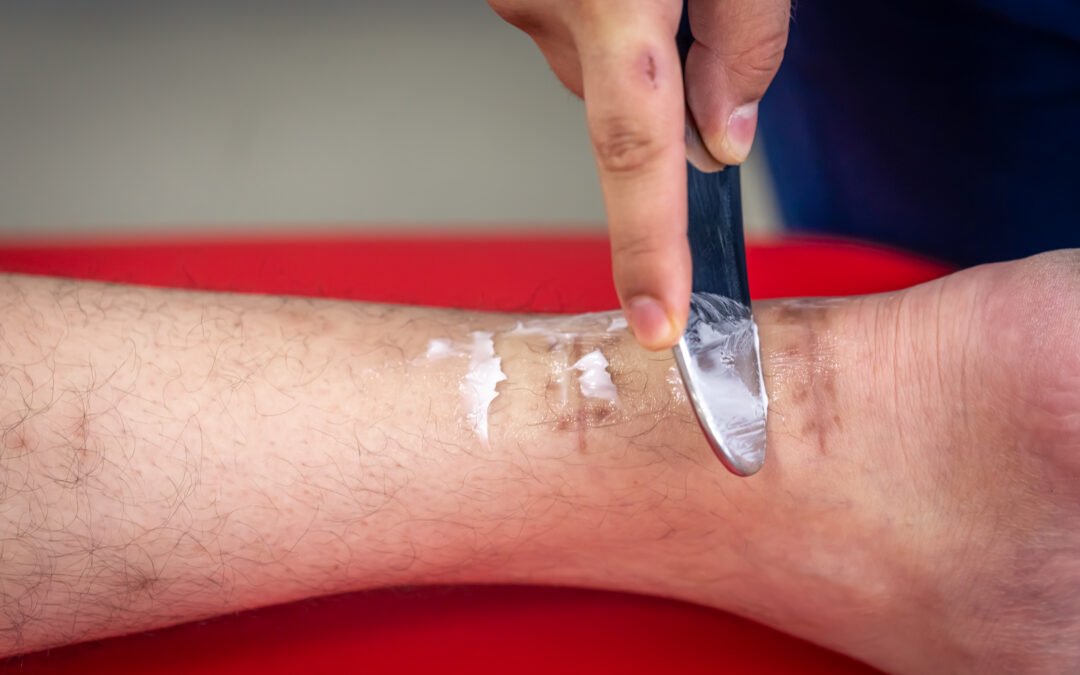
What Are Chronic Wounds?
Chronic wounds are sores or cuts that do not heal within the usual time. Usually, most wounds heal in a few weeks. However, chronic wounds in diabetes can last for months or even longer. These wounds often need special care. If left untreated, they may lead to serious problems.
How Diabetes Affects Wound Healing
Diabetes can slow down the body’s natural healing process. For example, high blood sugar levels can damage blood vessels. This makes it harder for blood to reach the wound. As a result, the skin and tissue do not get enough oxygen and nutrients. Slow wound healing in diabetes is common because of these changes. In addition, diabetes can weaken the immune system. This means the body cannot fight infections as well.
Common Causes of Slow Healing in Diabetes
Several reasons explain why wounds heal slowly in diabetics. Understanding these causes can help with better care. Some common causes include:Poor blood flow: Damaged blood vessels reduce blood supply to the wound.Nerve damage: Diabetes can cause numbness, so you may not feel injuries right away.High blood sugar: Extra sugar in the blood slows healing and increases infection risk.Weakened immune system: The body cannot fight germs as well.Dry skin: Diabetes can make skin dry and cracked, which leads to more wounds.
Symptoms and Warning Signs
It is important to spot signs of chronic wounds early. This helps prevent serious problems. Look for these warning signs:Wounds that do not heal after two weeksRedness or swelling around the woundPain or tenderness that gets worseWarmth or pus coming from the woundBad smell from the soreFever or chills
If you notice any of these symptoms, seek help right away. Early care can stop the wound from getting worse.
Diagnosis of Chronic Wounds in Diabetics
Doctors use several steps to diagnose chronic wounds in diabetes. First, they will ask about your health and check the wound. Next, they may order tests to see if there is an infection. Sometimes, doctors use blood tests or wound swabs. In some cases, they may check blood flow with special scans. These steps help find the best treatment for diabetic wound care.
Treatment Options for Diabetic Chronic Wounds
Treating chronic wounds in diabetes needs a careful plan. Your doctor may suggest:Cleaning the wound: Keeping the area clean helps prevent infection.Special dressings: These protect the wound and help it heal.Antibiotics: If there is an infection, medicine may be needed.Blood sugar control: Keeping blood sugar levels steady helps healing.Removing dead tissue: Doctors may gently remove damaged skin to help new tissue grow.Pressure relief: Using special shoes or pads can take pressure off the wound.
Sometimes, advanced treatments like skin grafts or special therapies may be used. Your doctor will choose the best option for you.
Prevention Tips and Lifestyle Guidance
Preventing chronic wounds in diabetes is possible with good habits. Here are some tips:Check your feet and skin every day for cuts or soresKeep your blood sugar within your target rangeWash your feet daily and dry them well, especially between the toesWear comfortable shoes that fit wellTrim toenails carefully to avoid cutsStay active to improve blood flowEat a balanced diet to support healingSee your doctor regularly for check-ups
By following these steps, you can lower your risk of slow wound healing in diabetes.
When to Seek Medical Help
It is important to know when to get help. Contact your doctor if:A wound does not heal after two weeksYou see signs of infection, like redness, swelling, or pusYou have a fever or feel unwellThe wound gets bigger or more painful
Early treatment can prevent serious problems. Do not wait if you are worried about a wound.
Chronic wounds in diabetes need special care and attention. For the best results, consult Dr. Fathima Mohammed for personalized guidance. healthcare specialist for personalized advice on diabetic wound care.