

Introduction
Chemical peels for sensitive skin can help improve your skin’s look and feel. However, not all peels are safe for everyone. If you have sensitive skin, you may wonder about safe chemical peels for sensitive skin, how to prepare for a chemical peel, and what to expect from chemical peels. In this blog, you will learn what chemical peels are, why sensitive skin needs extra care, and how to get the best results from your treatment.
What Are Chemical Peels?
Chemical peels use special solutions to remove the top layers of your skin. As a result, new, smoother skin can grow. There are three main types of peels:Light peels: These use mild acids and treat only the outer layer.Medium peels: These go deeper and treat both the outer and middle layers.Deep peels: These reach the deeper layers and are stronger.
For sensitive skin, light peels are often the safest choice. Still, it is important to talk to a dermatologist before choosing any peel.
Why Sensitive Skin Needs Special Care
Sensitive skin reacts easily to products and treatments. Because of this, you may notice redness, stinging, or dryness more often. Even gentle treatments can cause discomfort. Therefore, you need to take extra steps to protect your skin. A dermatologist can help you choose the right peel and lower your risk of side effects.
Benefits and Risks of Chemical Peels for Sensitive Skin
Chemical peels can offer several benefits for sensitive skin. For example, they can:Reduce fine lines and wrinklesEven out skin toneHelp with mild acne or dark spots
However, there are also risks, especially for sensitive skin. These may include:Redness or swellingBurning or stingingDryness or flakingIn rare cases, scarring or infection
Because of these risks, it is important to choose safe chemical peels for sensitive skin and follow your doctor’s advice.
How to Prepare for Your Appointment
Before your chemical peel, you should take a few steps to protect your skin. For instance:Stop using harsh scrubs or exfoliants at least one week beforeAvoid sun exposure and always wear sunscreenTell your doctor about any skin products or medicines you useFollow any special instructions from your dermatologist
By preparing for a chemical peel, you can help your skin heal faster and reduce side effects.
What to Expect During and After the Procedure
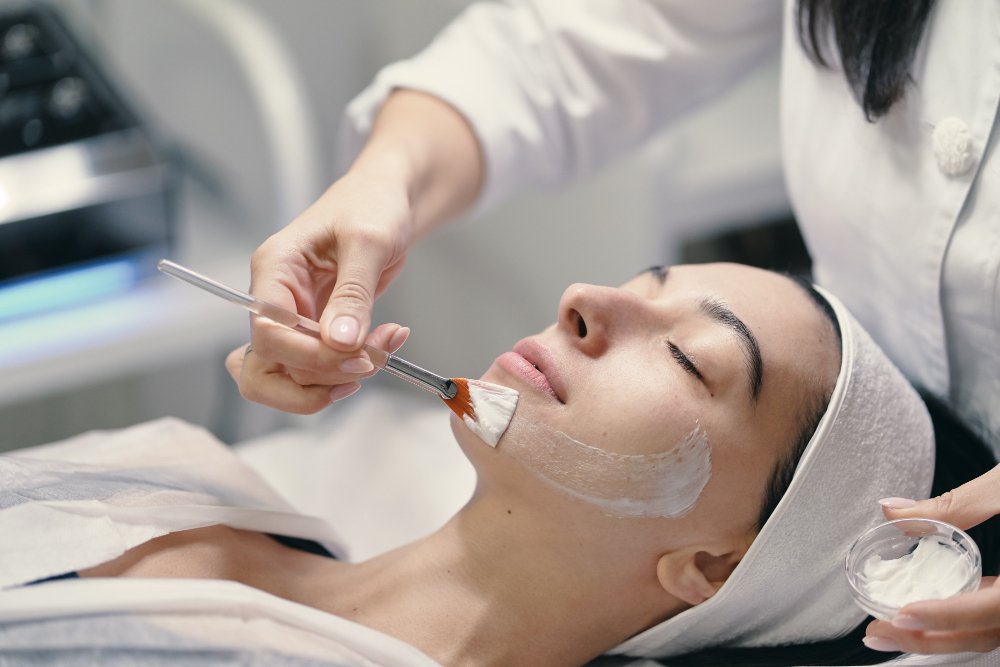
During the procedure, your doctor will clean your skin and apply the peel solution. You may feel mild tingling or warmth. Most light peels take less than 30 minutes. After the peel, your skin may look red or feel tight. This is normal and should improve in a few days. However, deeper peels may need more recovery time. Your doctor will tell you what to expect from chemical peels based on your skin type.
Tips for Aftercare and Recovery
Proper aftercare is key for sensitive skin. To help your skin heal, you should:Use gentle, fragrance-free cleansers and moisturizersAvoid picking or scratching your skinApply sunscreen every day, even indoorsStay away from harsh products until your skin heals
Because sensitive skin can react easily, always follow your doctor’s aftercare instructions.
Prevention of Adverse Reactions
To prevent unwanted reactions, you should:Choose a certified cosmetologist for your treatmentDiscuss your skin history and allergies before the procedureStart with the mildest peel possibleReport any severe redness, pain, or swelling right away
With the right care, you can enjoy the benefits of chemical peels for sensitive skin while lowering your risk of problems.
Conclusion
Chemical peels can be safe and helpful for sensitive skin if you take the right steps. Always talk to a skin expert before your treatment. Consult a certified cosmetologist Dr. Fathima Mohammed for personalized advice before booking your chemical peel appointment.