

Introduction
Many people face scalp problems at some point in their lives. These issues can include dandruff, flakes, redness, and itching. Although scalp problems are common, they can affect your comfort and confidence. Early care can help prevent bigger issues. In this blog, you will learn about common scalp problems, their causes, and how to keep your scalp healthy.
Common Scalp Problems
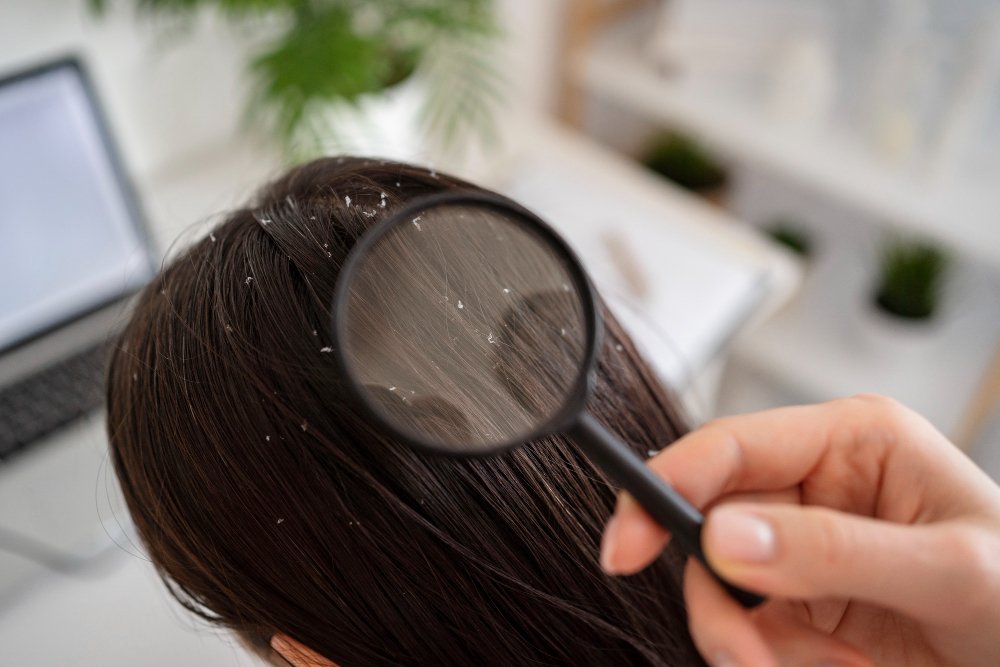
Several scalp problems can affect people of all ages. Some are mild, while others may need medical care. Below are the most common issues:Dandruff: This causes white or yellow flakes on your scalp and hair. It can be itchy and embarrassing.Scalp Flakes: Flakes may appear due to dryness or skin conditions. They often fall on your shoulders.Redness: Sometimes, the scalp looks red or feels warm. This can signal irritation or infection.Itching: An itchy scalp can be annoying. It may be caused by dryness, allergies, or other problems.Other Issues: These include bumps, sores, or hair loss. Each may need special care.
Symptoms to Watch For
It is important to notice changes on your scalp. Early signs can help you get the right treatment. Look out for these symptoms:White or yellow flakes on your hair or clothesRed or swollen areas on the scalpPersistent itching or burningDry, tight, or scaly skinOpen sores or bumpsUnusual hair loss
If you notice any of these, consider seeking advice. Sometimes, simple changes can help. Other times, you may need a doctor’s care.
Causes and Risk Factors
Scalp problems can have many causes. Understanding them can help you prevent issues. Here are some common causes and risk factors:Dry Skin: Cold weather or harsh shampoos can dry out your scalp.Oily Skin: Too much oil can lead to dandruff and flakes.Fungal Infections: Yeast on the scalp can cause dandruff.Allergies: Hair products may irritate sensitive skin.Skin Conditions: Problems like eczema or psoriasis can affect the scalp.Poor Hygiene: Not washing hair often enough can lead to buildup.Stress: High stress can trigger scalp issues.
Some people are more at risk due to genetics or health conditions. However, good care can help most people avoid problems.
Diagnosis and When to See a Doctor
Most scalp problems are easy to spot. Still, some symptoms may need a doctor’s help. You should see a doctor if:Home treatments do not work after two weeksYou have severe redness, pain, or swellingYou notice pus, sores, or bleedingYou lose hair in patches
Doctors may check your scalp and ask about your health. Sometimes, they may take a small sample of skin for testing. Early diagnosis can help prevent serious problems.
Treatment Options
Treatment depends on the cause of your scalp problem. Many mild issues can be managed at home. For example, you can try:Using gentle, fragrance-free shampoosWashing your hair regularly but not too oftenApplying medicated shampoos for dandruff (look for zinc, selenium, or ketoconazole)Moisturizing your scalp with natural oils if it is dryAvoiding harsh hair products or heat styling
For more serious problems, doctors may suggest:Prescription creams or ointmentsStronger medicated shampoosOral medicines for infections or severe inflammation
Always follow your doctor’s advice for the best results. According to the CDC, proper treatment can help prevent complications.
Prevention and Scalp Care Tips
Healthy habits can lower your risk of scalp problems. Try these tips for a healthy scalp:Wash your hair with mild shampoo as neededRinse well to remove all shampoo and conditionerLimit use of hair sprays, gels, and dyesProtect your scalp from sunburn by wearing a hatEat a balanced diet rich in vitamins and mineralsManage stress with exercise or relaxationAvoid scratching your scalp, even if it itches
If you live in a dry or cold area, use a humidifier to add moisture to the air. This can help prevent dryness and flakes.
Frequently Asked Questions (FAQ)
What causes dandruff?
Dandruff is often caused by oily skin, yeast, or irritation from hair products. Sometimes, dry skin can also lead to flakes.
How can I get rid of scalp flakes?
Use a gentle shampoo and avoid harsh products. Medicated shampoos can help if flakes do not go away.
Is scalp redness serious?
Usually, mild redness is not serious. However, if it is painful or lasts long, see a doctor for scalp redness treatment.
Can I prevent scalp problems?
Yes, healthy scalp tips include regular washing, gentle products, and a balanced diet. Avoiding stress can also help.
When should I see a doctor?
If home care does not help or you have severe symptoms, see a doctor. Early care can prevent bigger problems.
Conclusion
Scalp problems like dandruff, flakes, and redness are common but treatable. With good care and early action, you can keep your scalp healthy. If you have ongoing scalp concerns, consult Dr Fathima Mohammed for personalised evaluation and expert guidance.