

Introduction
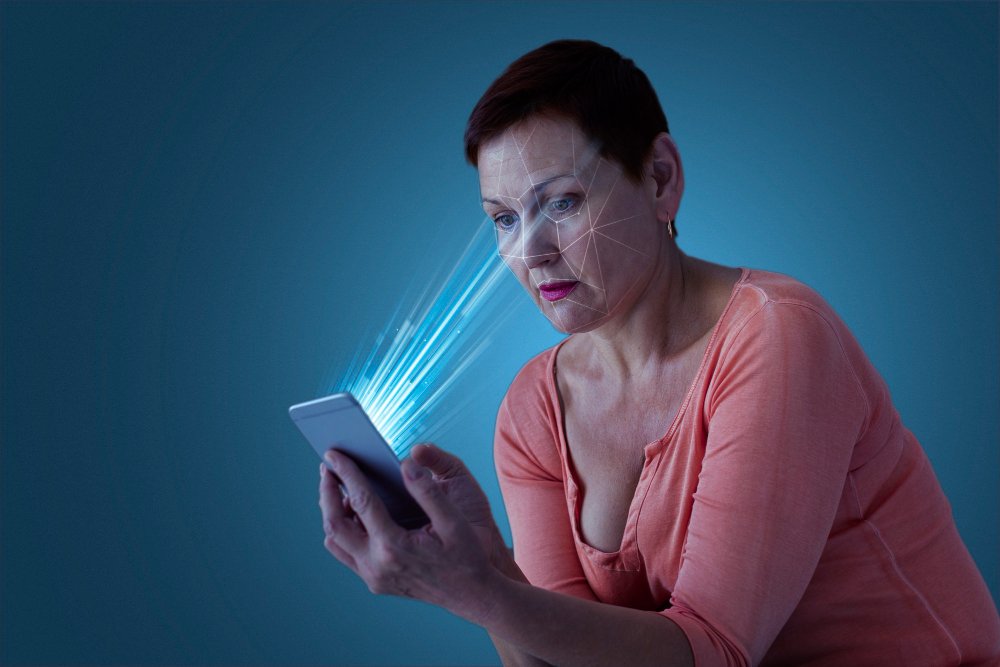
Blue light is a type of light with short, high-energy waves. It comes from the sun, but also from digital screens like phones, tablets, and computers. Today, many people spend hours in front of these screens. Because of this, concerns about blue light and your skin are growing. Recent studies show that blue light can speed up skin aging. As a result, your face may look older faster if you use screens a lot. In this blog, we will explain how blue light affects your skin and what you can do to protect it.
What is Blue Light?
First, let’s understand what blue light is. Blue light is part of the visible light spectrum. It has more energy than other colors of light. While sunlight is the main source, digital devices also give off blue light. For example, smartphones, laptops, and LED lights all emit blue light. Because we use these devices daily, our skin gets exposed to blue light more than ever before.
How Blue Light Affects Your Skin
Many people know that sunlight can harm the skin. However, blue light from screens can also cause skin damage. Studies suggest that blue light can reach deeper layers of the skin. As a result, it may cause:Increased production of free radicals, which harm skin cellsBreakdown of collagen, leading to wrinklesChanges in skin color, such as dark spots
Because of these effects, blue light skin damage is now a real concern. Over time, too much screen time and skin aging go hand in hand.
Signs of Blue Light-Induced Skin Aging
It is important to know the signs of blue light damage. Although these signs may look like normal aging, they can appear sooner if you spend a lot of time on digital devices. Watch for:Fine lines and wrinkles appearing earlier than expectedUneven skin tone or dark patchesDryness or rough skin textureLoss of skin firmness
If you notice these changes, blue light from screens may be a factor.
Scientific Evidence and Studies
Several studies have explored blue light and your skin. For example, research published in the Journal of Investigative Dermatology found that blue light can cause more skin pigmentation than UVA rays. Another study in the Journal of Cosmetic Dermatology showed that blue light exposure increases free radicals, which speed up aging. While more research is needed, experts agree that digital devices skin health is an important topic. The World Health Organization and dermatology groups now warn about blue light skin damage.
Prevention: How to Protect Your Skin from Blue Light
Luckily, you can take steps to protect skin from blue light. Here are some simple ways:Use skincare products with antioxidants, like vitamin C or EApply sunscreen daily, even indoorsLook for creams labeled “blue light protection”Use screen filters or blue light blocking glasses
Because prevention is easier than treatment, start these habits early.
Lifestyle Tips for Reducing Blue Light Exposure
In addition to skincare, changing your habits can help. Try these tips:Limit screen time, especially before bedTake breaks every 20 minutes when using devicesKeep screens at least an arm’s length from your faceDim screen brightness when possibleUse “night mode” or “blue light filter” settings on devices
By making these changes, you can reduce blue light exposure and help your skin stay healthy.
When to Consult a Dermatologist
Sometimes, skin changes may need expert care. If you notice rapid aging, dark spots, or other skin problems, it is wise to see a dermatologist. They can check your skin and suggest the best ways to protect it. In some cases, they may recommend special treatments or products for blue light skin damage.
Conclusion
Blue light from screens is now a part of daily life. However, it can speed up skin aging and cause other problems. By learning about blue light and your skin, you can take steps to protect yourself. Remember, simple changes and good skincare can make a big difference. If you have ongoing scalp concerns, consult Dr Fathima Mohammed for personalised evaluation and expert guidance.