

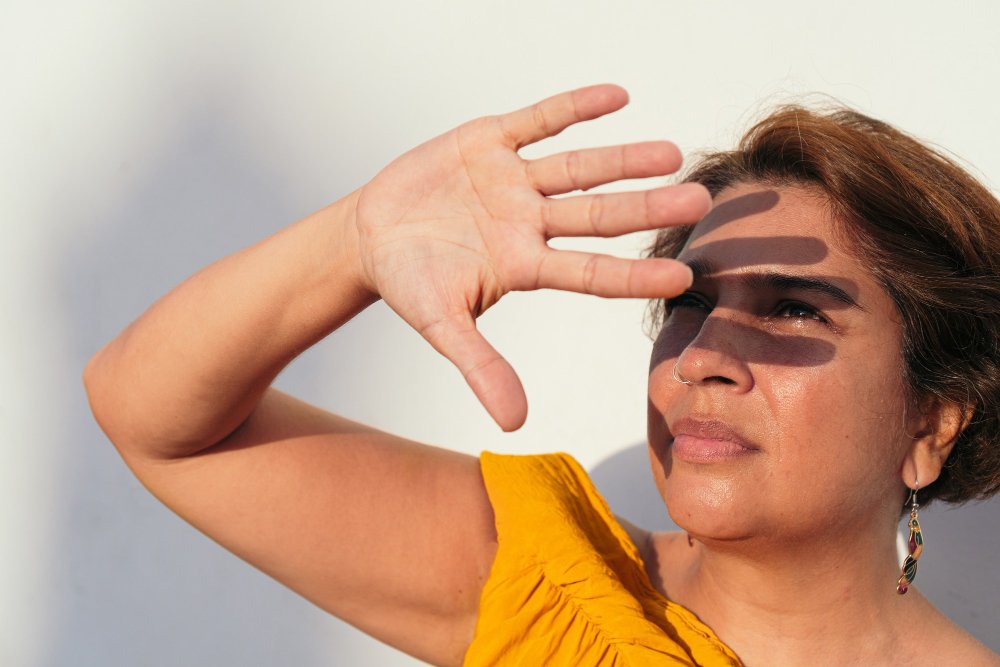
What Is Sun-Induced Melasma?
Sun-induced melasma is a common skin problem. It causes dark patches or spots, often on the face. Many people notice their skin pigmentation getting darker after spending time in the sun. This condition is more common in women, but men can get it too. Sunlight is a major trigger for melasma. When your skin gets too much sun, it makes more pigment, which leads to these dark spots. According to the World Health Organization, sun exposure is a leading cause of skin pigmentation changes.
Common Symptoms and How to Recognize Pigmentation Getting Darker
Melasma often appears as brown or gray-brown patches. These patches usually show up on the cheeks, forehead, nose, or upper lip. Sometimes, the skin looks uneven or blotchy. You may notice:Patches that get darker after sun exposureSpots that do not itch or hurtAreas of skin that look different from the rest
For example, if you see dark spots getting worse in summer, it could be sun-induced melasma. Early signs are often mild, but they can become more noticeable over time.
Main Causes and Risk Factors: Why Does Pigmentation Get Darker?
There are several reasons for dark skin pigmentation causes. However, sun exposure is the most common. When your skin is in the sun, it makes more melanin. Melanin is the pigment that gives skin its color. More melanin means darker spots. Other risk factors include:Family history of melasmaHormonal changes, such as pregnancy or birth control pillsCertain skin care products that irritate the skinHaving a darker skin type
Still, the sun remains the biggest trigger. Even a short time outside without protection can make melasma worse.
Diagnosis: How Professionals Identify Melasma
Doctors and dermatologists can diagnose melasma by looking at your skin. Usually, they check the color, size, and location of the patches. Sometimes, they use a special light called a Wood’s lamp. This helps them see how deep the pigment is. In rare cases, a small skin sample may be taken. However, most of the time, a simple exam is enough. If you notice new or changing dark spots, it is best to see a skin specialist.
Treatment Options: How to Treat Melasma
There are several ways to treat melasma. The right choice depends on your skin type and how dark the spots are. Common treatments include:Topical creams with ingredients like hydroquinone, tretinoin, or azelaic acidChemical peels to remove the top layer of skinLaser therapy for stubborn patchesSun protection with broad-spectrum sunscreen
For best results, doctors often suggest using more than one treatment. However, it is important to avoid harsh products that can irritate your skin. Always follow your dermatologist’s advice.
Lifestyle and Skincare Tips for Managing and Preventing Melasma
Managing melasma takes daily care. But with the right steps, you can help prevent pigmentation from sun and keep your skin healthy. Try these tips:Wear sunscreen every day, even when it is cloudyChoose hats and sunglasses for extra protectionUse gentle skin care productsAvoid picking or scrubbing dark spotsStay in the shade when possible
Additionally, eating a balanced diet and drinking plenty of water can support skin health. If you use makeup, pick products labeled “non-comedogenic” to avoid clogging pores.
Prevention Strategies: Daily Sun Protection Habits
Preventing pigmentation from sun is possible with simple habits. For example, apply sunscreen with SPF 30 or higher every morning. Reapply every two hours if you are outside. Also, wear protective clothing and seek shade during peak sun hours. Remember, even short sun exposure can trigger melasma. By making sun protection part of your routine, you can help keep your skin clear and even-toned.
Conclusion: Take Action for Healthier Skin
In summary, sun-induced melasma is a common cause of dark skin pigmentation. While sun exposure is the main trigger, there are many ways to manage and prevent it. Early treatment and daily sun protection can make a big difference. If you notice dark patches or your pigmentation is getting darker, consult a dermatologist at Dr. Fathima Mohammed’s Clinic for personalized advice on managing melasma.